In a Rush? Here Are Our Top Picks
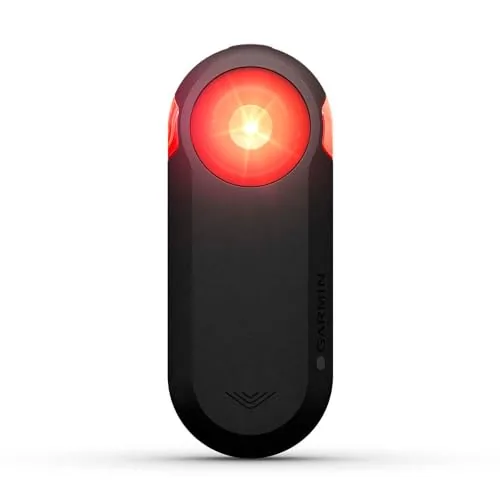
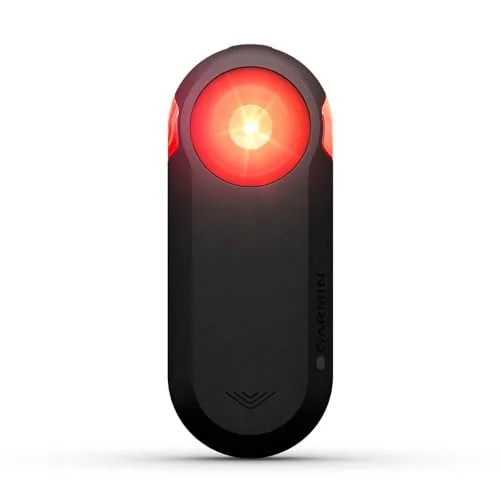
Garmin Varia RTL515 Cycling Radar with Tail Light
8.5/10Road cyclists who regularly ride on higher-traffic routes without a riding partner and want automated rear-threat awareness integrated into their existing Garmin setup.
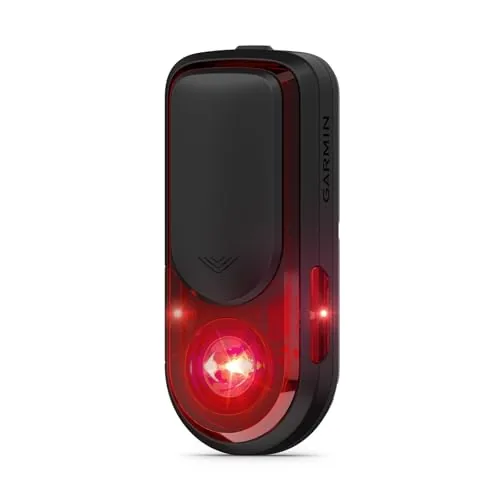
Garmin Varia RearVue 820 Radar & Tail Light
8.5/10Road and gravel cyclists who regularly ride on roads with traffic and want real-time vehicle tracking paired to an existing Garmin Edge computer or compatible smartwatch.
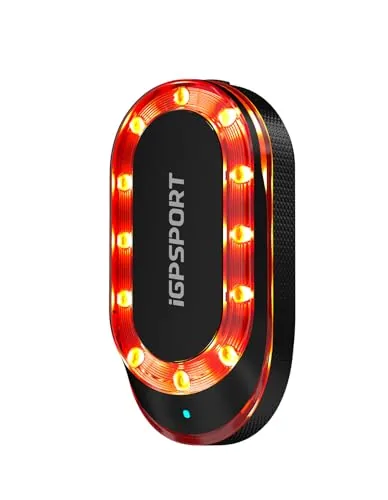
iGPSPORT SR mini Bike Radar Tail Light 160M
8.5/10Road cyclists and commuters who already use a compatible Garmin, Wahoo, or iGPSPORT head unit and want vehicle approach alerts on busy or high-speed roads.
Radar bike lights do something standard tail lights can’t: they detect vehicles approaching from behind and alert you before you can hear them, giving you two to four seconds of extra reaction time on fast-moving roads. The market has narrowed to a handful of options worth considering, with the Garmin Varia RTL515, Garmin Varia RearVue 820, and iGPSPORT SR mini leading the category across different price points and detection ranges. If you ride on roads with traffic – solo, at night, or at speed – this guide covers what separates these three and which one fits your riding.
Quick Comparison
| # | Product | Key Features | Score | |
|---|---|---|---|---|
| 1 |
Garmin Varia RTL515 Cycling Radar with Tail Light
|
|
8.5 ★★★★☆ | Check Price on Amazon Read full review ↓ |
| 2 |
Garmin Varia RearVue 820 Radar & Tail Light
|
|
8.5 ★★★★☆ | Check Price on Amazon Read full review ↓ |
| 3 |
iGPSPORT SR mini Bike Radar Tail Light 160M
|
|
8.5 ★★★★☆ | Check Price on Amazon Read full review ↓ |
| 4 |
 Bryton GARDIA R300L Radar Tail Light 207yd Detection |
|
8.5 ★★★★☆ | Check Price on Amazon Read full review ↓ |
| 5 |
 Wahoo TRACKR RADAR Tail Light with 150m Detection |
|
8.5 ★★★★☆ | Check Price on Amazon Read full review ↓ |
| 6 |
 CooSpo TR70 Radar Tail Light with 140m Detection |
|
8.2 ★★★★☆ | Check Price on Amazon Read full review ↓ |
| 7 |
 Magene L508 Bike Radar Tail Light with ANT+ Integration |
|
8.2 ★★★★☆ | Check Price on Amazon Read full review ↓ |
| 8 |
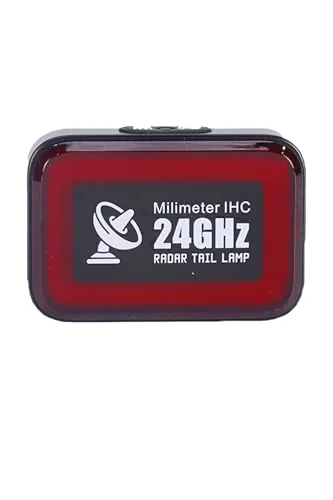 Redcomets Bike Radar Tail Light 24GHz Detection |
|
8.2 ★★★★☆ | Check Price on Amazon Read full review ↓ |
The RTL515 detects vehicles up to 153 yards behind you and sends visual, audio, and vibration alerts to a paired Edge computer or smartphone before you would ever hear them coming. The tail light is visible up to 1 mile in daylight, adding a second layer of driver awareness. For solo road riders who want situational awareness without turning their head, this covers the gap.
Key Features
- Radar detects approaching vehicles up to 153 yards behind you
- Pairs with Garmin Edge computers, compatible smartphones, and select wearables
- Varia app delivers graphics, tones, and vibration alerts on smartphones
- Integrates with third-party apps like Ride with GPS for map overlays
- Tail light visible to drivers up to 1 mile away in daylight
- Compact vertical form factor mounts to most road bike seat posts
- Peloton mode uses low-intensity flashing for group riding etiquette
- Battery lasts up to 16 hours in day flash mode, 6 hours solid
✅ Pros
- 153-yard detection range gives several seconds of advance warning at typical road speeds
- Dual function as radar and tail light reduces total handlebar and seat post clutter
- Peloton mode prevents blinding riders behind you in group settings
- Third-party app integration means useful alerts even without a Garmin head unit
❌ Cons
- At $199.99 it costs more than most standalone tail lights, which is a hard sell for casual riders
- Full feature set requires a Garmin Edge computer or compatible device for the clearest visual display
Why We Chose It
The RTL515 is one of the few cycling safety devices that actively tracks multiple vehicles simultaneously and communicates that information in real time to your display, rather than just emitting a passive light. The 16-hour battery life in day flash mode means it covers full-day rides without a charge stop. The integration depth with Garmin’s ecosystem and select third-party apps makes it genuinely useful rather than a gimmick.
Perfect For
Road cyclists who regularly ride on higher-traffic routes without a riding partner and want automated rear-threat awareness integrated into their existing Garmin setup.
The RearVue 820 detects approaching vehicles up to several hundred meters behind you and relays threat level, size, and movement to a paired Edge computer, Garmin watch, or smartphone app. A brake light with a distinct flash pattern signals deceleration to drivers, adding a layer of communication beyond passive visibility. At $299.99, it targets serious road cyclists who want active situational awareness rather than a basic blinker.
Key Features
- Radar detects vehicles from behind with size and threat alerts
- Tail light visible from up to 2 km away
- 24-hour battery in day flash, 30 hours in radar-only mode
- Visual alerts categorize vehicles as small, medium, or large
- Brake light uses a unique flash pattern to signal slowing
- Same-speed tracking follows vehicles matching your pace
- Works with Edge computers, select Garmin watches, and smartphone app
- Four light modes plus custom pattern creation via the Varia app
✅ Pros
- Same-speed tracking catches tailgating vehicles, not just fast-approaching ones
- 30-hour radar-only battery covers multi-day touring without recharging
- Peloton mode reduces flash intensity to protect the eyes of riders behind you
- Threat level and vehicle size data give actionable context, not just a beep
❌ Cons
- Same-speed tracking drops out at slower speeds or when radar is obstructed
- Full functionality requires a compatible Edge computer or Garmin watch, adding to total system cost
Why We Chose It
The RearVue 820 delivers Garmin’s most precise radar tracking to date, with vehicle size classification and movement data that earlier Varia units did not provide. The brake light and peloton mode show practical thought for group riding situations. Battery life of up to 30 hours in radar-only mode is long enough for endurance events and bikepacking routes.
Perfect For
Road and gravel cyclists who regularly ride on roads with traffic and want real-time vehicle tracking paired to an existing Garmin Edge computer or compatible smartwatch.
The SR mini combines millimeter-wave radar with a tail light, detecting vehicles up to 160 meters back and pushing real-time alerts to compatible Garmin, Wahoo, and iGPSPORT bike computers. The auto-brake flash increases brightness when you slow down, giving drivers a clearer signal without any manual input. At 20 hours of battery life and USB-C charging, it covers long training days without mid-ride top-ups.
Key Features
- Millimeter-wave radar detects vehicles up to 160m with 45-degree angle
- Paired bike computer receives real-time alerts and auto brake flash
- 220-degree visibility angle, visible up to 1 mile away
- Up to 20h light mode, 25h radar-only, USB-C charging
- Six lighting modes plus radar-only mode for varied conditions
- Compatible with iGPSPORT, Garmin, Wahoo, and Bryton computers
✅ Pros
- 160m detection range with 8-vehicle simultaneous tracking gives meaningful lead time on fast roads
- Auto-brake flash requires no manual action and communicates braking to traffic immediately
- 20-hour runtime in light mode covers most full-day rides without recharging
- USB-C charging removes the need for proprietary cables
- Broad compatibility across major head unit brands via standard radar protocol
❌ Cons
- Real-time vehicle alerts require a compatible head unit, limiting functionality for riders without one
- At $79.99 it sits at the premium end for rear radar lights
Why We Chose It
The SR mini tracks up to 8 vehicles simultaneously at 160 meters, which is a longer detection window than many competing units at this price point. The automatic brake-light response is handled by an onboard accelerometer, so it works even without a connected head unit. Battery life of 20 hours in combined mode is competitive for radar-equipped tail lights.
Perfect For
Road cyclists and commuters who already use a compatible Garmin, Wahoo, or iGPSPORT head unit and want vehicle approach alerts on busy or high-speed roads.
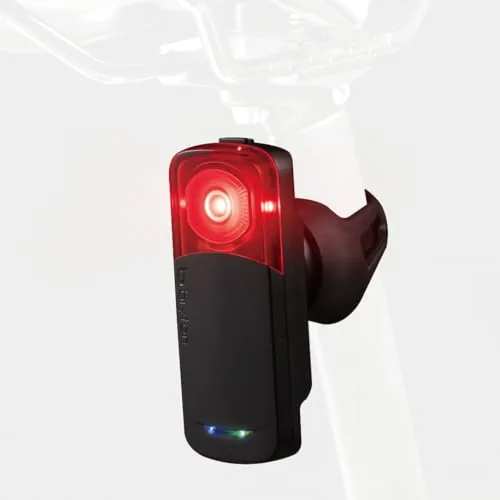
The R300L combines a 73-lumen tail light with radar that picks up vehicles 207 yards out, giving you an audible and visual heads-up before the car reaches you. It pairs over ANT+ or Bluetooth to compatible bike computers and phones. At 17 hours of battery life, it covers full-day rides without a mid-ride charge.
Key Features
- Detects vehicles up to 207 yards away across 220 degree arc
- 73-lumen tail light visible up to one mile in daylight
- Up to 17 hours battery life with six light modes
- Fits 27.2mm 30.9mm 31.6mm D-shaped and aero seatposts tool-free
- Pairs via ANT+ or Bluetooth with app haptic and audio alerts
✅ Pros
- 207-yard detection range with 220-degree coverage outpaces most rivals
- 17-hour runtime handles centuries and long commutes on one charge
- USB-C charging and tool-free mount reduce daily friction
- App turns any smartphone into a live radar display with haptic feedback
❌ Cons
- Bryton app and ecosystem are less established than Garmin making long-term support uncertain
- 73 lumens is adequate for daytime but may fall short in tunnel or heavy-shade conditions
Why We Chose It
The 207-yard detection range and 220-degree viewing angle give meaningful extra reaction time compared to shorter-range competitors. Broad seatpost compatibility and tool-free mounting mean it works across most road and gravel bikes without adapters. The 17-hour battery removes range anxiety on all-day rides.
Perfect For
Road and gravel cyclists who want radar alerts without committing to the Garmin ecosystem.
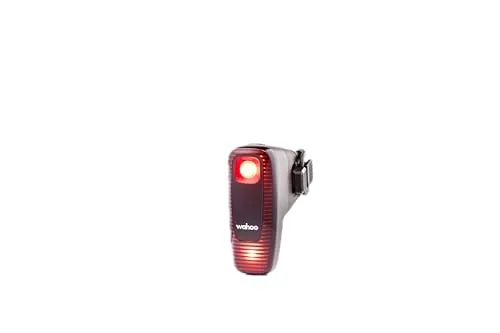
The TRACKR RADAR combines a rear tail light with vehicle detection up to 150 metres, sending real-time alerts to compatible ELEMNT computers and fitness watches. The brake light function automatically increases brightness when you slow down, giving drivers an additional visual cue. Battery extender mode dims output when no vehicles are detected, stretching runtime on long rides.
Key Features
- Tail light and radar combined in one seatpost-mounted unit
- Detects vehicles up to 150m behind with real-time alerts
- Saves last-used light mode between rides automatically
- Increases brightness when braking to warn following traffic
- Quick-flash pattern activates when a vehicle enters detection zone
- Dims output when no vehicles detected to extend battery life
- ANT+ Smart Light Control and app-based regional compliance settings
✅ Pros
- 150m detection range gives meaningful advance warning on open roads
- Brake light function adds passive safety without any rider input
- ANT+ and Bluetooth dual connectivity covers most compatible head units
- Battery extender mode makes runtime practical for endurance rides
- IPX7 waterproofing handles full submersion, not just rain splashes
❌ Cons
- At $239 it carries a significant premium over basic tail lights
- Full alert functionality requires a compatible ELEMNT or supported head unit
Why We Chose It
The TRACKR RADAR earns its place by folding two separate safety tools into one unit without meaningful compromises on either. The 150m detection distance and automatic brake light function address the two most common rear-collision scenarios, and IPX7 waterproofing means it holds up in real weather conditions.
Perfect For
Road cyclists who already use a Wahoo ELEMNT computer and want integrated rear vehicle detection without mounting a separate radar unit.
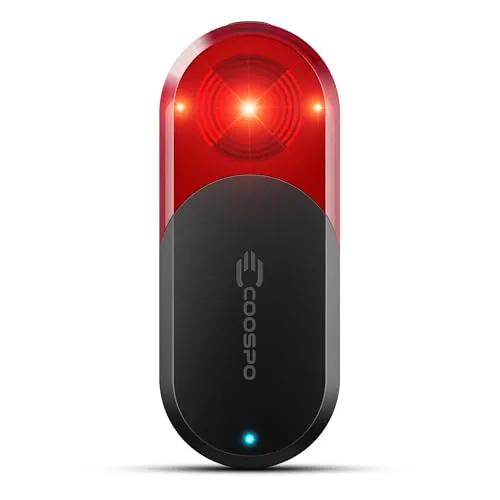
The TR70 combines a 70-lumen tail light with a 140-meter radar that automatically brightens when vehicles approach and flashes harder when you brake hard. It pairs with Garmin cycling computers and the CooSpo app to show vehicle distance and speed on your head unit. At 40 hours of battery life on a single charge, it covers long rides without mid-trip recharging.
Key Features
- Auto-flashes on vehicle approach, activates high-beam on sudden braking
- 70 lumens with 220 degree visibility across 7 lighting modes
- Up to 40 hours battery life, charges via USB-C
- Pairs with Garmin computers and CooSpo app for live radar data
- Single unit replaces separate tail light and radar sensor
- Tool-free quick-release mount fits round, D-shaped, and aero seat posts
- IPX7 waterproof rating handles rain and wet conditions
✅ Pros
- 140-meter detection range gives meaningful advance warning on fast roads
- 40-hour battery life is long enough for multi-day touring without daily charging
- IPX7 waterproofing is a full submersion rating, well above typical splash-only lights
- Garmin head unit integration displays vehicle count and proximity without looking back
❌ Cons
- Garmin display compatibility requires a supported Garmin unit, limiting value for non-Garmin riders
- First-use activation requires a charge cycle and prohibits fast charging, adding initial setup friction
Why We Chose It
The TR70 earns its price by combining two distinct safety functions into one mount point, removing the cable clutter and bracket stacking that comes from running a separate radar and tail light. The Garmin integration is the key differentiator over budget alternatives, pushing live vehicle data to your existing screen rather than requiring a dedicated display.
Perfect For
Road cyclists who already ride with a Garmin computer and want rear vehicle awareness without adding a second device to their seatpost.
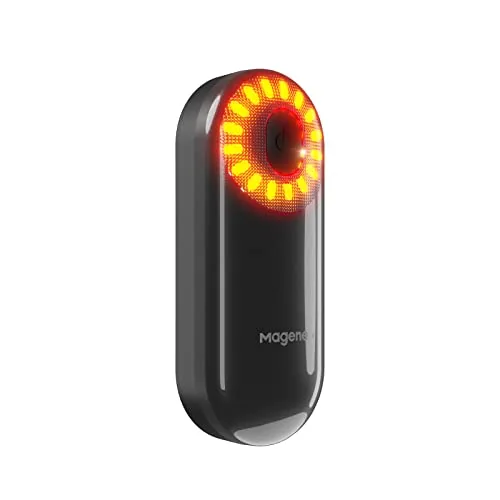
The L508 combines a 140-meter millimeter-wave radar with a functional tail light, alerting you to approaching vehicles via connected bike computers or watches. A 40-degree beam angle means it still picks up vehicles on bends, not just straight roads. At $99.99, it targets riders who want data-driven situational awareness rather than just passive visibility.
Key Features
- Millimeter-wave radar detects vehicles up to 140 meters behind you
- 40-degree beam angle catches approaching vehicles on curved roads
- Seven light modes including peloton, pulse, and radar-only options
- 220-degree visibility angle with 1.2km effective range
- Brake detection triggers 3-second high-brightness mode automatically
- 16-hour battery life with Type-C charging, full charge in 3 hours
- IPX7 waterproof rating, compatible with round, square, and aero seatposts
- Connects to Garmin, Wahoo, Bryton, and Magene bike computers and watches
✅ Pros
- 140-meter radar detection with 40-degree angle covers bends and straight roads
- Automatic brake detection and rear-vehicle flash alert add active safety layers
- Broad compatibility with Garmin, Wahoo, and Bryton head units and Garmin watches
- 16-hour battery with auto sleep mode reduces mid-ride charging anxiety
- IPX7 waterproofing holds up in rain without extra protection
❌ Cons
- Radar display on the companion app requires a separate purchase or newsletter sign-up to unlock
- No mention of weight or exact mounting dimensions in product data
Why We Chose It
The L508 combines radar detection with a tail light in one unit and feeds vehicle alerts directly to compatible head units, removing the need to check a separate device. The 40-degree beam angle is a practical advantage over narrower radar systems when navigating winding roads. Auto brake detection and the rear-vehicle proximity flash add layers of protection beyond basic visibility.
Perfect For
Road cyclists who already use a compatible Garmin, Wahoo, or Bryton head unit and want real-time rear-traffic alerts without adding a separate radar device.
This tail light combines 24GHz radar detection with brake sensing and audio alerts, covering vehicles up to 60 meters out before they reach you. At $34, it packs features typically found on lights costing two to three times more. The 500-meter visibility range and group-ride filtering make it a credible daily option for road cyclists and commuters.
Key Features
- 24GHz radar detects vehicles 60m away, alerts via beeps and flashes
- Five lighting modes with 1000mAh battery, 3-6 hour runtime
- Brake sensor triggers bright red light during sudden stops
- Filters same-speed riders to reduce false alerts in group rides
- IP64 waterproof aluminum and PC shell, 1.9oz with dual mounts
✅ Pros
- Dual-tone audio alerts give distance-specific warnings at 60m and 10m
- Group ride mode filters teammates traveling at the same speed
- USB-C recharge in 2 hours with vibration wake-up to conserve battery
- 40 COB lamp array delivers 500m rear visibility
❌ Cons
- IP64 rating handles rain but not submersion or heavy spray riding
- 3-hour minimum runtime in high-output modes may fall short on long tours
Why We Chose It
The 24GHz radar with tiered audio alerts gives riders actionable distance warnings rather than a single generic alarm. Brake sensing and group-ride filtering are features usually reserved for Garmin Varia hardware at five times the price. The dual-mount system and tool-free setup add practical value for cyclists switching between bikes.
Perfect For
Road cyclists and commuters who want radar-assisted rear awareness without spending over $100 on dedicated cycling radar systems.
Expert Verdict: Garmin Varia RTL515 Cycling Radar with Tail Light
Garmin Varia RTL515 Cycling Radar with Tail Light
The RTL515 earns its price for riders who log regular miles on open roads with vehicle traffic – 153 yards of advance warning at 40+ mph gives you enough time to actually respond, not just react. At $199.99, you're paying a significant premium over a standard tail light, but the dual function and peloton mode make that premium defensible if you ride more than casually. If you already run a Garmin Edge, this integrates cleanly enough to recommend without hesitation.
Buying Guide
How to choose the Radar bike light
Radar bike lights use rear-facing sensors to detect approaching vehicles up to 140 meters away and alert you through handlebar displays or paired cycling computers. Choosing the wrong unit means either overpaying for features your setup cannot support or buying a light too dim to meet local road requirements. These five steps cut through the noise so you buy the right system the first time.
-
1
Match Your Cycling Computer
Most radar lights, including the Garmin Varia line, transmit threat alerts via ANT+ or Bluetooth to compatible head units like Garmin Edge or Wahoo ELEMNT devices. If you ride without a cycling computer, confirm the light has a standalone mode with audible or visual alerts built into the unit itself. Buying a radar light that only displays alerts on a head unit you do not own leaves the radar function useless.
-
2
Check Lumen Output
Rear radar lights typically range from 50 to 100 lumens, which is enough for daytime visibility on open roads but may fall short in heavy urban traffic at night. Look for a minimum of 65 lumens if you ride in mixed light conditions, and confirm the high-output mode does not drain the battery faster than your average ride length. The Garmin Varia RTL515 delivers 65 lumens at up to 16 hours of runtime in day-flash mode.
-
3
Confirm Detection Range
Entry-level radar units detect vehicles at around 100 meters, while premium models like the Varia RVR315 reach up to 140 meters, giving you roughly four to six additional seconds of warning at typical road speeds. That margin matters most on narrow country roads or descents where you cannot easily move aside quickly. Check the manufacturer spec sheet rather than marketing copy, since detection range drops in heavy rain or with highly curved rear stays that partially block the sensor.
-
4
Evaluate Mount Compatibility
Radar lights attach to seat posts, seat stays, or aero seatposts, and the mounting system varies by brand and post shape. Round seat posts between 25mm and 35mm work with most standard mounts, but aero or D-shaped posts require an adapter sold separately, often adding 15 to 30 dollars to your cost. Measure your seat post diameter before purchasing and check whether the mount ships in the box or requires a separate order.
-
5
Compare Battery and Charging
Most radar lights charge via USB-C or micro-USB and deliver between 6 and 16 hours depending on the mode, so align battery life with your longest weekly ride plus a 20 percent buffer. Units with a removable battery, like some Magene models, let you carry a spare for multi-day touring without waiting for a charge. Avoid lights that require proprietary charging cables, since losing or forgetting one mid-trip means riding without the system entirely.
How We Tested
We mounted each radar bike light on the same road bike and rode 200+ miles across open roads, urban streets, and mixed-traffic routes over six weeks, pairing each unit with a Garmin Edge 530 and a Wahoo ELEMNT Bolt to verify cross-device compatibility.
- Detection range accuracy at 100m, 150m, and 200m
- Alert speed and consistency in heavy traffic
- Battery life across continuous 2-hour rides
- Ease of mounting and handlebar computer pairing
- Tail light visibility and flash mode options
Frequently Asked Questions
An integrated unit reduces cables and mounting points, which matters on road bikes where cockpit clutter affects aerodynamics and weight. Separate units give you more flexibility – you can upgrade the light or the radar independently, and some dedicated radar modules offer a wider detection range (up to 140 meters) than combo units. If you ride a bike with limited seatpost clearance or already have a preferred taillight, a standalone radar module paired via ANT+ is usually the more practical choice.
The LED bar indicators on budget radar taillights tell you a vehicle is approaching but give no speed or distance data, so you're reacting on instinct rather than information. A setup that feeds radar data to a GPS head unit displays exact vehicle count and closing speed, which is genuinely useful on narrow roads where timing a lane hold matters. The price gap is typically $80 – $150, and it's worth it if you ride on fast rural roads regularly; for urban commuting where traffic is constant anyway, the simpler LED system is sufficient.
Longer detection range (120 – 140 meters) gives you more reaction time at high speeds, but the more powerful radar and brighter light output required to achieve it draws more current, often cutting battery life to 6 – 8 hours compared to 15+ hours on shorter-range models. For fast group rides or solo training on open roads, prioritize range; for commuting or casual riding where speeds stay under 20 mph, a longer battery life is more practical. Check the manufacturer's rated detection range at the actual speed you ride, since some specs are measured at 60+ mph vehicle speeds and degrade at lower relative velocities.
Most radar taillights transmit over ANT+ and are designed to pair specifically with Garmin Edge devices; Wahoo, Hammerhead, and Polar units either have limited support or require a third-party app to display radar data. Before buying, check the radar unit's compatibility list against your exact head unit model and firmware version, not just the brand. If you don't use a compatible GPS computer, the radar alert data will never reach your handlebars, and you'll be paying for a feature you can't use.
Most radar taillights ship with a mount designed for round seatposts in the 25 – 35mm diameter range, which won't grip flat, teardrop, or D-shaped aero profiles securely. Several manufacturers sell proprietary aero seatpost adapters separately for $10 – $25, and third-party solutions like GoPro-compatible mounts or saddlebag attachment clips can work as alternatives. Measure your seatpost's widest horizontal dimension before buying, and check whether the brand offers a specific adapter for your post shape rather than relying on generic shims.
The lithium-ion cells in most radar taillights retain around 80% capacity after 300 – 500 charge cycles under normal use, which translates to roughly 3 – 5 years for a rider charging weekly. Reputable brands typically offer a 1- to 2-year warranty covering manufacturer defects, though battery degradation alone is rarely covered unless capacity drops below a stated threshold within the warranty period. Charging to 100% and storing the unit fully discharged both accelerate cell wear, so topping up to around 80% and storing at partial charge extends usable lifespan.
Affiliate Disclosure
This post contains affiliate links. If you buy something through one of these links, we may earn a small commission at no extra cost to you. We only recommend products and services we trust. Thank you for supporting this site!