Tail light lens color is one of those decisions that looks purely cosmetic until you realize it also affects how early drivers behind you can react, and whether your car passes a roadside inspection. The three common options, clear, smoked, and red, each work differently depending on the bulb type, housing design, and state regulations in play. Understanding those differences before you buy saves you from pulling an assembly back off the car a week later.
Red Lenses: The Factory Standard and Why It Works
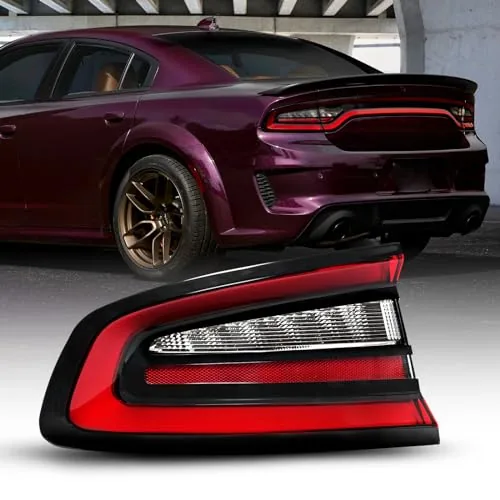
Red lenses are what most vehicles leave the factory with, and there’s a functional reason for that. The lens itself is tinted red, which filters the white or amber light from the bulb inside and produces the red output required by federal motor vehicle safety standards (FMVSS 108) for stop and tail functions. Because the filtering happens at the lens, the bulbs inside can be inexpensive and straightforward without any special engineering.
The tradeoff is brightness ceiling. The red tint absorbs a portion of the light, so the final output is always somewhat reduced compared to what the raw bulb produces. For halogen bulbs, that loss is small enough to be irrelevant. For LED retrofits, the combination of a red lens and an already-efficient LED produces very bright, saturated output with almost no downsides.
Red lenses are the safest choice from a legal standpoint. Every state accepts them, and no inspector is going to flag a stock-colored lens on a tail light assembly. If you’re upgrading for brightness rather than aesthetics, dropping in LED bulbs behind your existing red lenses is usually the most straightforward path with the fewest complications.
Clear Lenses: What Changes When the Tint Is Gone
Clear lenses remove the red filter from the equation entirely. The lens transmits light without coloring it, which means the bulb itself must produce the correct red or amber output for each function. That requirement pushes most clear-lens assemblies toward red or amber LED bulbs built directly into the housing, rather than simple socket-based replacements.
The visual result is a cleaner, more modern look at the rear of the vehicle. When the lights are off, the housing interior is fully visible, showing the reflectors, bulb positions, or LED strips inside. When lit, the colors are determined entirely by the light source rather than filtered through a tinted shell.
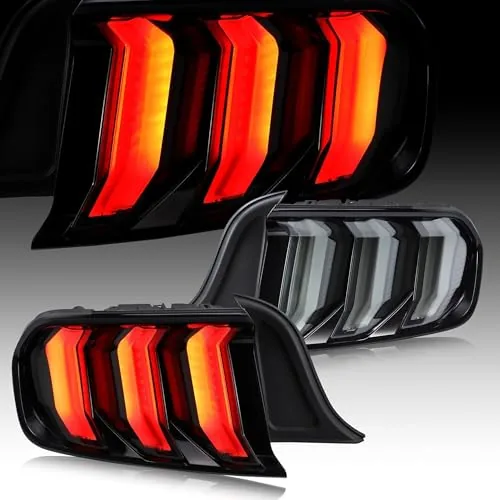
Legality depends on what bulbs and reflectors are paired with the clear lens. A well-designed clear-lens assembly with proper red LED emitters, correctly positioned per FMVSS 108, is fully street legal. The concern arises with poorly sourced assemblies where the red output intensity falls short of the required candela measurements. Buying assemblies that carry a DOT compliance mark reduces that risk. The Ford Mustang aftermarket tail light options reviewed on this site show how clear-lens assemblies are built to meet those output requirements while changing the rear-end appearance significantly.
Smoked Lenses: Visibility Tradeoffs You Should Know
Smoked lenses are tinted gray or black rather than red, which reduces total light output compared to both clear and red options. The degree of reduction depends on how dark the tint is. Light smoke cuts brightness modestly, perhaps 15 to 25 percent. Dark or blackout tints can cut output by 50 percent or more, which is where real visibility problems begin.
The appeal is aesthetic: smoked lenses give the rear of the vehicle a low-profile, blacked-out look that works well on darker-colored cars. The problem is that reduced brightness directly increases stopping distance for the driver behind you. At highway speeds, even a half-second delay in perceiving a brake light adds roughly 35 to 40 feet of stopping distance.
Most states have regulations that effectively prohibit heavily smoked lenses because they don’t meet minimum brightness requirements. Light-smoke assemblies from reputable manufacturers that still carry DOT markings occupy a legal gray area in some states and are outright prohibited in others. If you go this route, verifying your state’s specific luminous intensity requirements before purchasing is worth the time. Lightly smoked assemblies paired with high-output LED bulbs can partially compensate for the tint’s absorption (the aftermarket tail light market for trucks like the Dodge RAM reflects how manufacturers balance that tint-versus-output tradeoff) but dark tints remain problematic regardless of bulb choice.
How to Choose Based on Your Situation
The right lens color depends on three things: your state’s vehicle code, your bulb setup, and what you’re actually trying to accomplish.
If your priority is maximum brightness and legal compliance without complications, red lenses with LED bulb upgrades deliver the best combination. The lens filters correctly, the LED output is high, and you won’t face inspection questions.
If you want a cleaner factory look or a modern aesthetic, clear lenses work well provided the assembly is DOT-compliant and uses properly spec’d red LED emitters. Avoid clear housings that use standard white bulbs behind a red reflector bowl without adequate output testing behind them.
Smoked lenses are worth considering only in light tint versions, and only if you’re pairing them with high-output LEDs to offset the absorption. Dark or blackout tints are a genuine safety liability and are illegal in most jurisdictions regardless of the LED quality behind them.
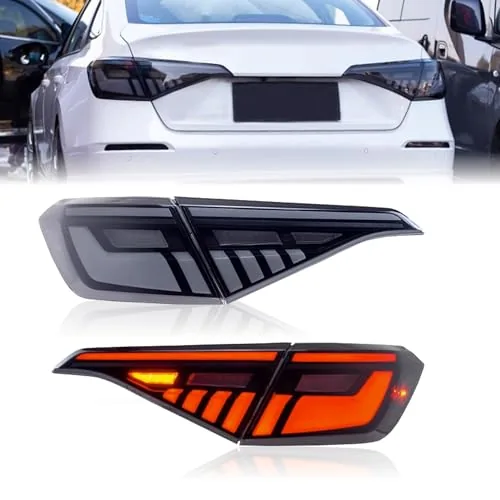
For vehicle-specific guidance, reviews covering particular models go into mounting compatibility, wiring, and output specs in more detail. The Honda Civic aftermarket tail light guide is a good example of how lens color choice intersects with model-specific fitment and electrical considerations.
Lens color affects more than how the rear of your car looks. It directly shapes light output, legal compliance, and reaction time for drivers behind you. Red lenses remain the most reliable option for most drivers. Clear lenses work well when the assembly is properly engineered. Smoked lenses require careful attention to tint depth and output levels before you commit. Getting the combination right means your tail lights do what they’re supposed to do every time the brake pedal goes down.
Affiliate Disclosure
This post contains affiliate links. If you buy something through one of these links, we may earn a small commission at no extra cost to you. We only recommend products and services we trust. Thank you for supporting this site!