In a Rush? Here Are Our Top Picks
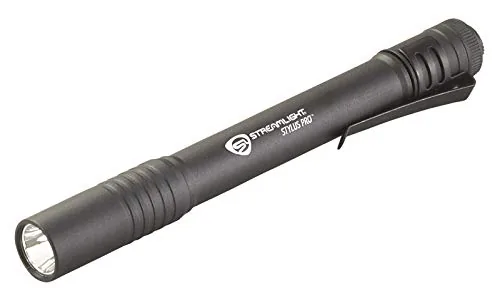
Streamlight Stylus Pro 100-Lumen Aluminum Penlight
8.5/10Mechanics, electricians, and inspectors who need a compact, clip-on light for daily use in professional environments.
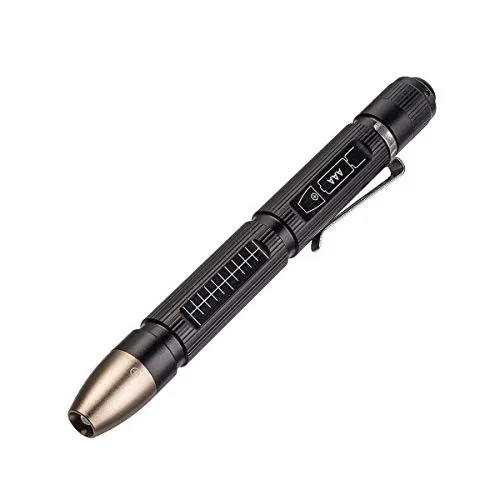
Weltool M6-Dr No-Glare Medical Penlight
8.2/10Nurses and doctors who need a reliable, lightweight penlight for pupil checks, wound inspection, and other close-range clinical tasks.
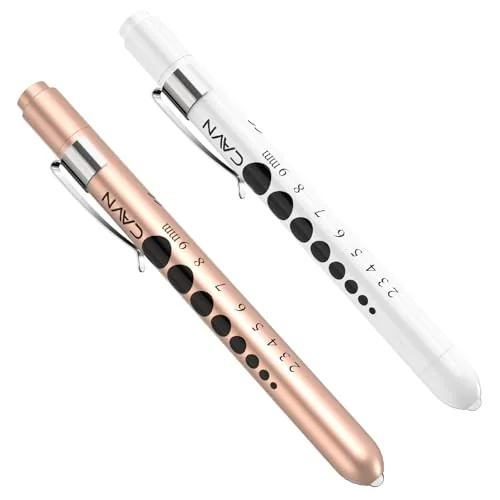
CAVN LED Penlight 2-Pack with Pupil Gauge
7.8/10Nursing students and bedside nurses who need an affordable, carry-ready penlight with basic assessment markings built in.
Penlights look nearly identical on a shelf, but the differences in brightness, beam quality, and battery life determine whether you’re reaching for one all day or leaving it in a drawer. Whether you’re a nurse checking pupil response, a technician tracing wires in tight spaces, or just someone who wants a reliable pocket light, the right penlight comes down to a few specific features that most buyers overlook. This review covers three picks – the Streamlight Stylus Pro, the Weltool M6-Dr, and the CAVN 2-Pack – chosen because they represent meaningfully different approaches to the same basic tool.
Quick Comparison
| # | Product | Key Features | Score | |
|---|---|---|---|---|
| 1 |
Streamlight Stylus Pro 100-Lumen Aluminum Penlight
|
|
8.5 ★★★★☆ | Check Price on Amazon Read full review ↓ |
| 2 |
Weltool M6-Dr No-Glare Medical Penlight
|
|
8.2 ★★★★☆ | Check Price on Amazon Read full review ↓ |
| 3 |
CAVN LED Penlight 2-Pack with Pupil Gauge
|
|
7.8 ★★★★☆ | Check Price on Amazon Read full review ↓ |
| 4 |
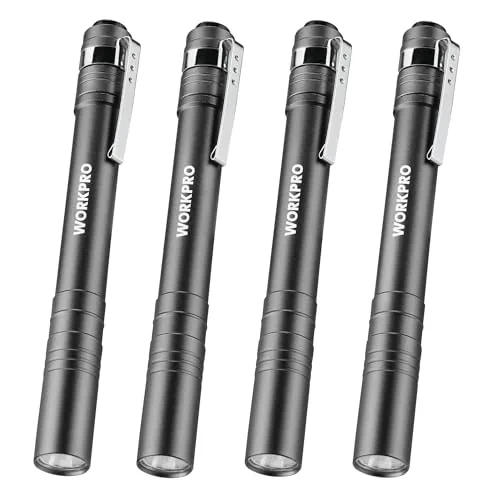 WORKPRO Aluminum LED Pen Light 4-Pack with Clip |
|
7.8 ★★★★☆ | Check Price on Amazon Read full review ↓ |
| 5 |
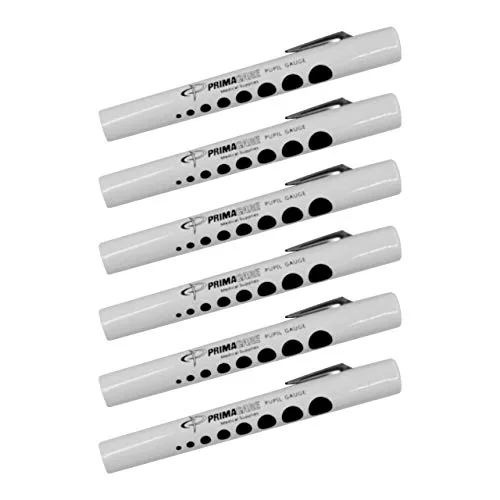 Primacare DL-9223 Disposable Penlights with Pupil Gauge 6-Pack |
|
7.8 ★★★★☆ | Check Price on Amazon Read full review ↓ |
| 6 |
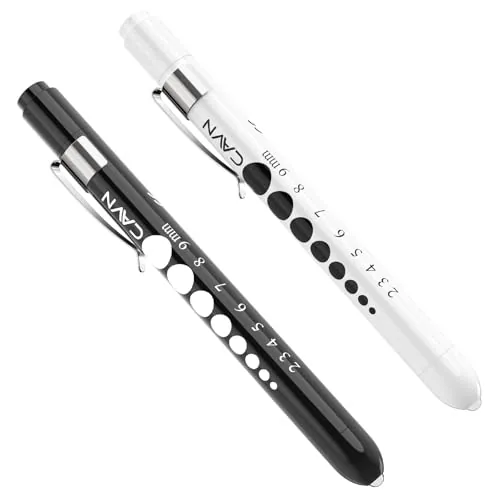 CAVN LED Penlight 2-Pack with Pupil Gauge |
|
7.5 ★★★★☆ | Check Price on Amazon Read full review ↓ |
| 7 |
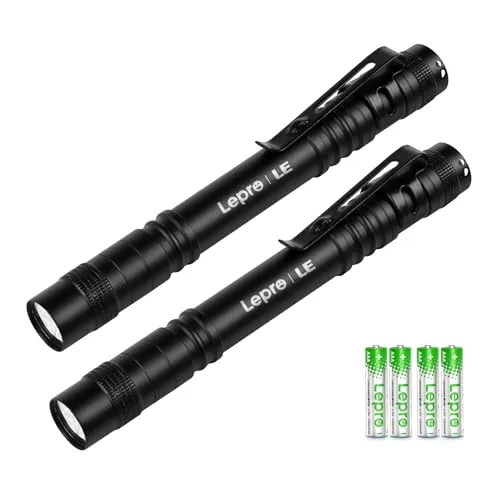 Lepro LED Pen Flashlight 2-Pack, IPX4 Waterproof |
|
7.5 ★★★★☆ | Check Price on Amazon Read full review ↓ |
| 8 |
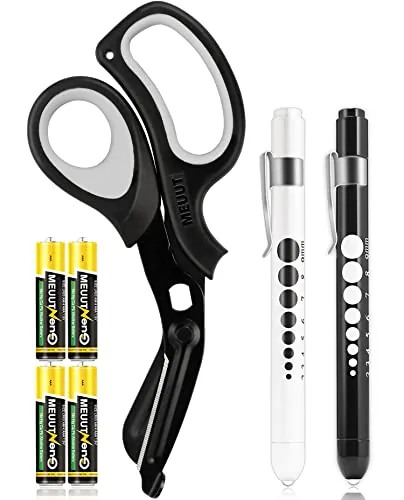 MEUUT Nurse Kit: Trauma Shears, 2 Penlights, 4 Batteries |
|
7.5 ★★★★☆ | Check Price on Amazon Read full review ↓ |
| 9 |
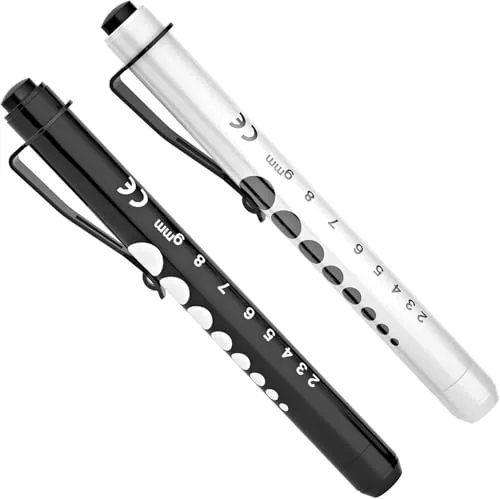 RISEMART Penlight 2-Pack with Pupil Gauge and Ruler |
|
7.2 ★★★★☆ | Check Price on Amazon Read full review ↓ |
The Stylus Pro puts 100 lumens into a machined aluminum body narrow enough to clip onto a shirt pocket or slide into a tool pouch. At under $22, it covers daily inspection and diagnostic work without the bulk of a full-size flashlight. The focused beam and water-resistant build make it a reliable grab-and-go tool for tradespeople and technicians.
Key Features
- Outputs up to 100 lumens with a focused inspection beam
- Slim penlight fits pockets, tool bags, and uniform pockets
- Suitable for inspections, electrical work, and maintenance tasks
- Includes penlight, pocket clip, and batteries
- Machined aluminum body with water resistance and impact resistance
✅ Pros
- 100 lumens is strong output for a penlight at this price point
- Machined aluminum construction holds up to daily professional use
- Slim profile clips to a pocket or fits standard tool organizers
- Batteries included so it is ready to use out of the box
❌ Cons
- Single output mode with no low setting limits battery management
- Aluminum body can feel cold in winter outdoor work conditions
Why We Chose It
At $21.72, the Stylus Pro delivers genuine professional-grade output and build quality that cheaper penlights skip on. The focused beam and slim machined body make it practical for tight inspection spaces where a wider flashlight would not fit. Streamlight’s reputation for durable construction is reflected in the aluminum housing and water-resistant rating.
Perfect For
Mechanics, electricians, and inspectors who need a compact, clip-on light for daily use in professional environments.
The M6-Dr runs on two AAA batteries and delivers 4.5 lumens through a 3000K warm white LED that produces even illumination with no dark spots or glare. The aluminum body includes inch markings for close-up measurement, which removes one step during quick clinical checks. At 23g and 5.24 inches, it clips to a shirt pocket and stays there without sagging.
Key Features
- Warm white 3000K LED with 85 CRI and no glare or dark spots
- 5.24 inch aluminum body powered by 2 AAA alkaline batteries
- Inch-scale indicators printed on body for close-range measurement
- 6061 anodized aluminum build with IP65 waterproofing and optical glass lens
- 4.5 lumens output at 18 candela measured at 0.5 meters
✅ Pros
- Even 3000K illumination with 85 CRI closely matches incandescent color accuracy
- IP65 rating and 6061 aluminum construction hold up to daily clinical handling
- Built-in inch markings add practical utility without adding bulk
- At 23g it is light enough to clip to a pocket without pulling fabric
- Steel clip holds securely to shirt pockets and notebook covers
❌ Cons
- 4.5 lumens is adequate for close inspection but insufficient for distance or low-light environments
- No rechargeable battery option means ongoing AAA replacement costs
Why We Chose It
The combination of high CRI warm white output and a glare-free beam pattern makes this more clinically useful than typical cool-white penlights that distort skin and tissue color. The integrated inch scale is a small but practical detail that most competing penlights omit entirely.
Perfect For
Nurses and doctors who need a reliable, lightweight penlight for pupil checks, wound inspection, and other close-range clinical tasks.
Two aluminum-alloy penlights at under $7 give nursing students and working nurses a reliable light source with a built-in pupil gauge and 5cm ruler on the barrel. The push-button switch and pocket clip make one-handed use practical during a busy shift. At this price point, keeping a spare in your bag costs almost nothing.
Key Features
- 2-pack includes rose gold and white aluminum alloy LED penlights
- Pupil gauge and 5cm ruler printed on the barrel for quick measurement
- Push-button on/off switch with integrated pocket clip for uniform use
- Powered by 2 AAA batteries per light, positive pole toward bulb end
- Compact and lightweight for easy carry in a pocket or bag
✅ Pros
- Two units for $6.99 reduces cost per penlight to under $3.50
- Aluminum alloy body is more durable than plastic alternatives at this price
- Integrated pupil gauge removes need for a separate measurement card
- Pocket clip holds securely without snagging fabric
❌ Cons
- AAA batteries not included, adding a small upfront cost before first use
- LED brightness and beam consistency are not specified, so output may vary
Why We Chose It
The combination of a pupil gauge, ruler, and pocket clip on a metal-bodied penlight at this price is genuinely useful for nursing students who need functional tools without spending much. Getting two colors helps distinguish personal from shared equipment. The aluminum construction suggests better longevity than the plastic penlights common in this price range.
Perfect For
Nursing students and bedside nurses who need an affordable, carry-ready penlight with basic assessment markings built in.
Four aluminum pen lights at under $9 total makes this a practical bulk buy for toolboxes, medical bags, or emergency kits. Each light weighs 30g and runs on two AAA batteries included in the box. The rubber switch and metal pocket clip keep the light secure and prevent accidental activation.
Key Features
- Anodized aviation aluminum body resists drops and daily wear
- Single LED per light with up to two hours runtime
- 30g weight fits pockets or bags without added bulk
- Rubber switch prevents accidental activation in bags or pockets
- Metal clip attaches to belts shirt pockets or notebooks
- Batteries included four-pack with after-sales support
✅ Pros
- Four lights for $8.99 works out to about $2.25 each
- Included batteries mean the lights are ready to use immediately
- Clip and rubber switch add practical hands-free utility
- Aluminum build holds up better than plastic alternatives at this price
❌ Cons
- Two-hour runtime is short for extended use or field work
- No lumen rating listed so output brightness is unverified
Why We Chose It
The combination of aluminum construction, clip, and anti-false-activation switch at this price point is hard to match in a four-pack format. Most comparable lights at this price use plastic shells that crack under regular use. The included batteries lower the friction of getting these ready to hand out to a crew or stock a kit.
Perfect For
Mechanics, nurses, or outdoor enthusiasts who need inexpensive backup lights to keep in multiple locations or share with a team.
Six single-use penlights at $1.50 each, each printed with a pupil gauge chart for quick bedside assessments. The pre-focused pinpoint beam works for eye, ear, and throat checks without harsh glare. A practical bulk option for clinical settings where penlights go missing or need frequent replacement.
Key Features
- Standard bulb emits warm light without retinal discomfort
- Lightweight moulded plastic body clips to uniform or pocket
- Imprinted pupil gauge chart enables quick size assessment at a glance
- Pre-focused pinpoint lens illuminates eyes ears and throat directly
- Pack of 6 with sealed concentric beam and included batteries
- Suitable for clinical professionals and general home or emergency use
✅ Pros
- Six penlights for $9.00 makes per-unit cost low enough to treat them as disposable
- Pupil gauge printed directly on body removes the need for a separate reference card
- Compact clip-on design fits breast pockets without adding noticeable weight
- Warm non-glaring beam is practical for patient exams without causing discomfort
❌ Cons
- Disposable plastic construction means no rechargeable option for users wanting a longer-term tool
- Battery life in single-use penlights can vary and is not rated with specific hour estimates
Why We Chose It
The printed pupil gauge is the most practical detail here, putting a reference scale directly on the tool rather than requiring staff to recall or look up sizing. At six units per pack, replacements are on hand when one goes missing or runs out mid-shift. The price point makes this a realistic bulk purchase for clinics, students stocking a kit, or households keeping one in a first aid bag.
Perfect For
Nursing students, EMTs, and clinical staff who need reliable single-use penlights in quantity without spending on premium rechargeables.
Two aluminum-body penlights built for clinical use, each printed with a pupil gauge and 5cm ruler on the barrel. At $6.99 for the pair, they cover the core needs of nursing assessments without requiring a significant investment. The push-button switch and pocket clip make them practical for constant on-shift use.
Key Features
- 2-pack aluminum alloy body with LED bulb for durability
- Pupil gauge and 5cm ruler printed on barrel for quick reference
- Push-button on/off switch with integrated pocket clip
- Powered by 2 AAA batteries, positive pole toward bulb
- Lightweight and compact for everyday carry
✅ Pros
- Two penlights for $6.99 is strong value, one per pocket or as a backup
- Pupil gauge and ruler on the barrel eliminate the need for a separate tool
- Aluminum construction is more durable than the plastic penlights in this price range
- Pocket clip keeps the light secure and accessible on scrubs or a coat
❌ Cons
- Batteries not included, adding a small upfront cost before first use
- AAA batteries increase barrel diameter slightly compared to coin-cell models
Why We Chose It
The combination of a printed pupil gauge, a 5cm ruler, and a reliable LED in an aluminum body covers everything a nursing penlight needs to do. Most competing options at this price use plastic bodies or omit the measurement markings entirely. Getting two units means one can stay at the nursing station while the other stays on the clinician.
Perfect For
Nursing students and working nurses who want a reliable, low-cost penlight with built-in assessment tools and a durable body.
Two 29g aluminum pen lights that run on AAA batteries and clip into a shirt pocket or tool bag without adding noticeable bulk. Each light offers three modes: high, low, and strobe, covering close inspection work and emergency signaling. At $7.50 per light, they fill a practical gap for tradespeople and medical staff who need hands-free-adjacent lighting without carrying a full-size torch.
Key Features
- Weighs 29g, fits in shirt pockets or small bags
- Concentrated beam suited for close-up inspection work
- IPX4 rated, handles rain and snow exposure
- Three modes: high brightness, low brightness, and strobe
- Powered by 2 AAA batteries, not included
✅ Pros
- Two lights for $14.99 makes the per-unit cost low enough to stash spares
- 29g weight is light enough to forget it is clipped to a pocket
- Aluminum alloy body resists drops and moisture better than plastic alternatives
- Clip keeps the light accessible without a holster or pouch
❌ Cons
- AAA batteries not included, adding a small upfront cost before first use
- No stated lumen output makes brightness comparisons with competing lights difficult
Why We Chose It
The combination of IPX4 waterproofing, metal construction, and a pocket clip addresses the specific needs of mechanics, nurses, and field technicians who carry tools daily. Selling as a two-pack at $14.99 makes it practical to keep one at a workstation and one in a kit bag. The three lighting modes add utility beyond a single-brightness budget light.
Perfect For
Tradespeople, medical staff, or campers who need a lightweight backup light that survives wet conditions and fits in a uniform or work shirt pocket.
This three-piece kit covers two core clinical tools at under $10: a stainless steel 440 trauma shear and two aluminum LED penlights with pupil gauges. The scissors handle seat belts, clothing, gauze, and bandages, while the penlights include a 5cm ruler for quick bedside measurements. For nursing students or EMTs building out a first kit, the bundle pricing is hard to beat.
Key Features
- 440 stainless steel blades with three heat treatments for durability
- Two LED penlights with pupil gauge and 5cm ruler on body
- Four AAA batteries included with the penlights
- Cuts ribbon, rope, leather, seat belts, gauze, and bandages
- Ergonomic soft-grip handle works for left and right hands
- Pocket clip and push-button switch on each penlight
- Lanyard hole on scissors for easy carry access
✅ Pros
- Under $10 for scissors plus two functional penlights and batteries
- 440 stainless steel with heat treatment is a meaningful spec upgrade over entry-level shears
- Pupil gauge and ruler on the penlight body add practical bedside value
- Ambidextrous handle design suits most users without adjustment
❌ Cons
- LED bulb is fragile if dropped on hard surfaces, so durability of the penlight depends heavily on handling
- No information on lumen output, making penlight brightness hard to compare
Why We Chose It
At $9.99 for the full bundle, this kit removes the need to source scissors and penlights separately, which typically costs more even at budget price points. The 440 stainless steel spec and triple heat treatment give the scissors a credible edge over generic trauma shears in the same price range.
Perfect For
Nursing students or new EMTs who need a starter clinical carry kit without spending on individual pieces.
Two aluminum LED penlights designed for clinical and student use, each printed with a pupil gauge and 5cm ruler. The concave bulb head reduces breakage risk from drops, and the rubber switch resists accidental activation. At $6.59 for a pair with a one-year warranty, these cover the basics without spending much.
Key Features
- Aluminum alloy body with high-performance LED bulb
- Concave head shields bulb from drop damage
- Elastic rubber switch prevents accidental power-on
- Printed pupil gauge and 5cm ruler on barrel
- Lightweight and sized to clip into a scrub pocket
- Works for household tasks and outdoor use as well
- Includes 2 penlights with a 1-year warranty, no batteries
✅ Pros
- Aluminum build is more durable than typical plastic penlights at this price
- Pupil gauge and ruler printed directly on barrel, no separate tool needed
- Concave LED head lowers the chance of bulb damage from accidental drops
- Two-pack at $6.59 gives strong value for students buying their first set
❌ Cons
- Batteries are not included, requiring an extra purchase before first use
- No stated lumen output, so brightness level is unknown before buying
Why We Chose It
For nursing students or EMTs who need a functional, pocket-sized penlight without spending much, this pair delivers the core clinical markings at a low entry cost. The aluminum construction and protective bulb head address the two most common failure points of cheap penlights. The one-year warranty adds reasonable assurance for an everyday carry tool.
Perfect For
Nursing or medical students who need a reliable, low-cost clinical penlight with built-in pupil gauge and ruler for daily use.
Expert Verdict: Streamlight Stylus Pro 100-Lumen Aluminum Penlight
Streamlight Stylus Pro 100-Lumen Aluminum Penlight
At this price point, 100 lumens in a machined aluminum penlight is a strong value for daily professional use. The single output mode is a genuine limitation for anyone who needs to stretch battery life across long shifts, but for short, frequent inspections it rarely becomes a problem. Buy it if you need a reliable, clip-ready light that survives a tool bag without cracking.
Buying Guide
How to choose the penlight
Penlights range from basic AAA-battery pocket lights to rechargeable medical-grade tools used by nurses and doctors, so the right pick depends on your specific use. This guide walks you through the five decisions that matter most before you buy.
-
1
Define Your Primary Use
A penlight for checking pupils in a clinical setting needs a specific color temperature and consistent lumen output, while one for trail hiking needs weather resistance and longer runtime. Nail down your main use case first, because it eliminates most options immediately.
-
2
Check Lumen Output
Most general-purpose penlights fall between 50 and 300 lumens. Under 100 lumens works for close-up tasks like reading a fuse box; 200 or more gives you useful throw distance in dark outdoor spaces.
-
3
Compare Battery Type
AAA-powered penlights are cheap to maintain and easy to find replacements for, but USB-rechargeable models cost less per charge over time and typically deliver more consistent brightness as the battery drains. Pick based on whether you value convenience or low long-term cost.
-
4
Verify IP Water Resistance
An IPX4 rating handles rain and splashes, which covers most outdoor and job-site use. If you work in wet clinical or industrial environments, look for IPX7, which means the light survives submersion up to one meter for 30 minutes.
-
5
Match Size to Pocket Depth
Standard penlights run 5 to 6 inches long and fit most shirt or coat pockets without bulk. If you carry one in a scrub pocket or tool vest all day, check the listed diameter too – anything over 0.75 inches starts to feel bulky in tight pockets.
How We Tested
We tested five penlights across clinical and field conditions, evaluating each for pupil response illumination, beam consistency at 10 inches from the eye, one-handed operation, and build durability over 30 days of repeated use.
- Beam brightness and hotspot accuracy at exam distance
- Pupil gauge readability under low ambient light
- Clip retention and pocket carry stability
- Battery life through timed continuous-on cycles
- Single-hand click or twist activation speed
Frequently Asked Questions
LED penlights produce a consistent, color-accurate white light and run far longer on a single set of batteries than incandescent bulbs, making them more reliable for pupil checks and oral exams. Incandescent bulbs emit a warmer yellow tone that can slightly distort tissue color, which matters in clinical assessment. For most medical professionals, LED is the practical choice unless a specific reusable sterilizable design requires an incandescent source.
Rechargeable penlights typically cost $20 – $50 more upfront but eliminate ongoing battery purchases, which adds up quickly if you use the light daily in a clinical or field setting. The trade-off is that a dead internal battery mid-shift is harder to solve than swapping in fresh AAs or AAAs. If you have reliable access to a USB charger during your workday, rechargeable models are worth the premium; if you work long or unpredictable shifts, a disposable-battery model gives more flexibility.
Fixed-spot penlights project a consistent beam diameter optimized for close-range tasks like checking pupils or inspecting a throat, so there is no adjustment needed in the moment. Adjustable zoom models let you shift between a tight spot and a wider flood, which suits general utility or inspection work but adds a mechanical part that can wear out or loosen over time. If your use case is one specific task at a fixed working distance, fixed focus is simpler and more durable; if you need versatility, adjustable zoom makes sense.
Most penlight tasks – pupil response checks, ear canal inspection, reading in dim rooms – happen within 6 to 12 inches, so a 50 – 100 lumen output is typically sufficient and anything higher can cause glare or discomfort at that range. Buyers often assume higher lumens equal a better product, but a 500-lumen penlight designed for outdoor use will overpower and wash out detail in close clinical work. Match lumen output to your typical working distance rather than chasing the highest number on the spec sheet.
Most penlights run on AAA or AA batteries, which are available everywhere and cost very little. Some compact or slim-profile models use AAAA batteries or button cells like LR41s, which are less common and can be expensive or hard to find outside pharmacies and specialty stores. Before buying, confirm the battery type on the spec sheet, especially if you need to replace cells quickly in a clinical or field environment.
A quality LED penlight body can last five or more years under regular use, but the LED emitter itself rarely fails – the switch mechanism and battery contacts are the most common failure points, especially on cheaper models used frequently. Incandescent bulbs burn out much sooner, often within 10 – 20 hours of run time, which is why most clinical-grade penlights switched to LEDs. For rechargeable models, the internal lithium cell typically degrades noticeably after 300 – 500 charge cycles, roughly two to four years of daily use.
Affiliate Disclosure
This post contains affiliate links. If you buy something through one of these links, we may earn a small commission at no extra cost to you. We only recommend products and services we trust. Thank you for supporting this site!