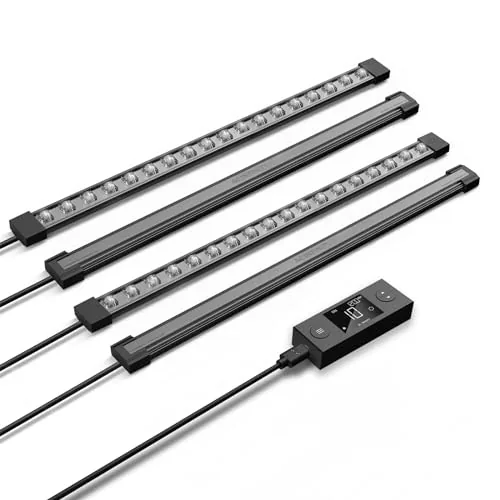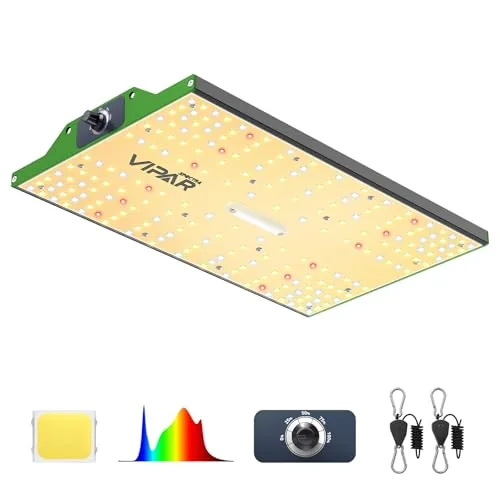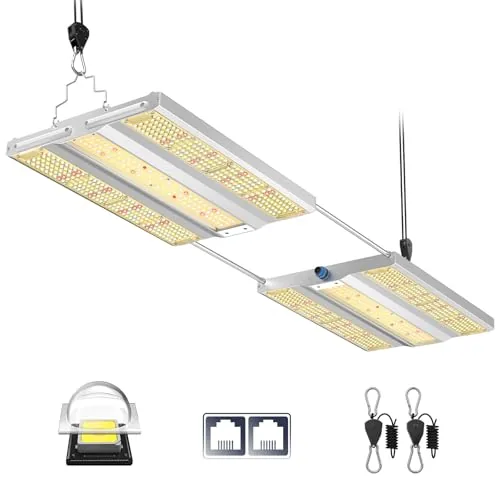
In a Rush? Here Are Our Top Picks
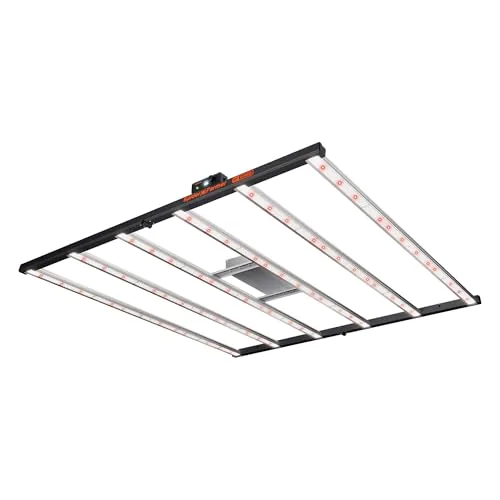
Spider Farmer G7000 730W App-Controlled LED Grow Light
8.4/10Commercial rack growers or serious hobbyists running 5x5ft tents who want remote control and expandable multi-unit setups without premium pricing.
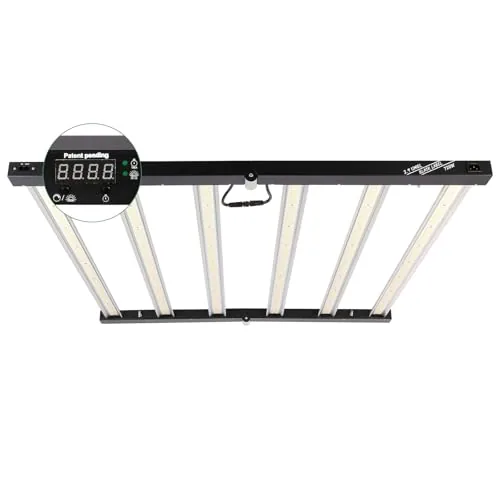
Lucius 720W LED Grow Light with Master Control
8.2/10Indoor growers running one or more 4×4 to 5×5 tents who want centralized schedule control without a separate controller unit.
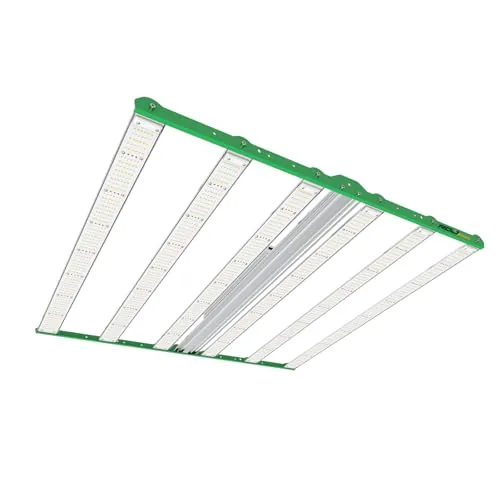
RDJ Bouns 720W Full Spectrum LED Grow Light
8.2/10Indoor growers running a 4×4 or 5×5 tent who want scalable, low-noise lighting with energy rebate eligibility and room to expand their setup.
Finding a reliable 720W grow light means sorting through a crowded market where wattage claims rarely tell the whole story – driver quality, spectrum output, and canopy coverage matter just as much as the number on the box. After evaluating the Spider Farmer G7000 730W, Lucius 720W with Master Control, and RDJ Bouns 720W Full Spectrum, three options stand out for growers who want serious output without guesswork. Whether you’re running a 4×4 tent or scaling up to a larger commercial setup, this breakdown gives you the specific differences you need to spend your money wisely.
Quick Comparison
| # | Product | Key Features | Score | |
|---|---|---|---|---|
| 1 |
Spider Farmer G7000 730W App-Controlled LED Grow Light
|
|
8.4 ★★★★☆ | Check Price on Amazon Read full review ↓ |
| 2 |
Lucius 720W LED Grow Light with Master Control
|
|
8.2 ★★★★☆ | Check Price on Amazon Read full review ↓ |
| 3 |
RDJ Bouns 720W Full Spectrum LED Grow Light
|
|
8.2 ★★★★☆ | Check Price on Amazon Read full review ↓ |
| 4 |
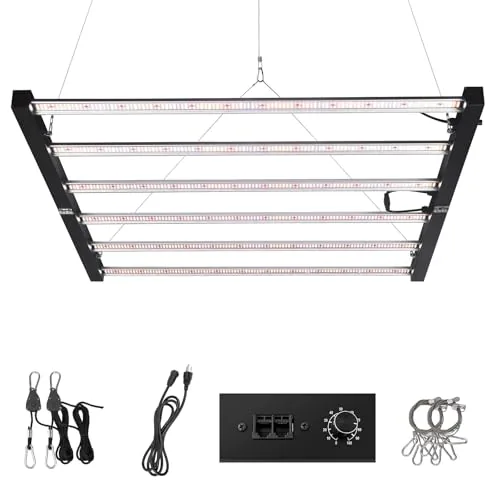 SZHLUX 720W Foldable 6-Bar Full Spectrum LED Grow Light |
|
8.2 ★★★★☆ | Check Price on Amazon Read full review ↓ |
| 5 |
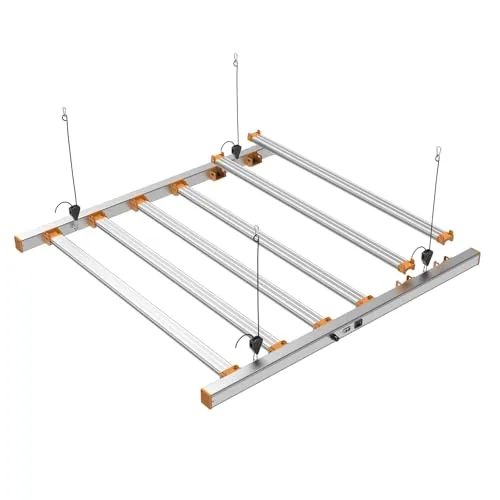 BAYLABS 720W LED Grow Light Modular Bar Design |
|
8.2 ★★★★☆ | Check Price on Amazon Read full review ↓ |
| 6 |
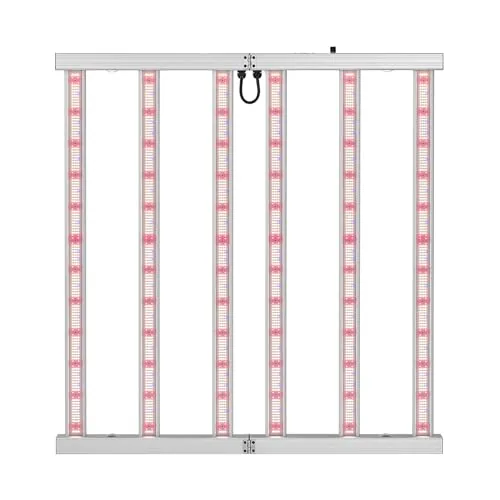 SAMPHON 720W 6-Bar Full Spectrum LED Grow Light |
|
7.8 ★★★★☆ | Check Price on Amazon Read full review ↓ |
| 7 |
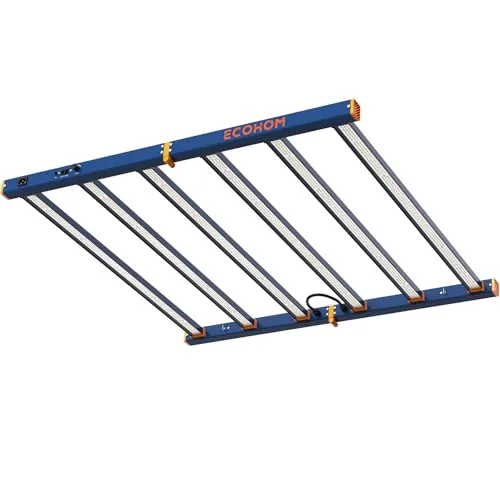 ECOHOM 720W Full Spectrum Bar LED Grow Light |
|
7.8 ★★★★☆ | Check Price on Amazon Read full review ↓ |
| 8 |
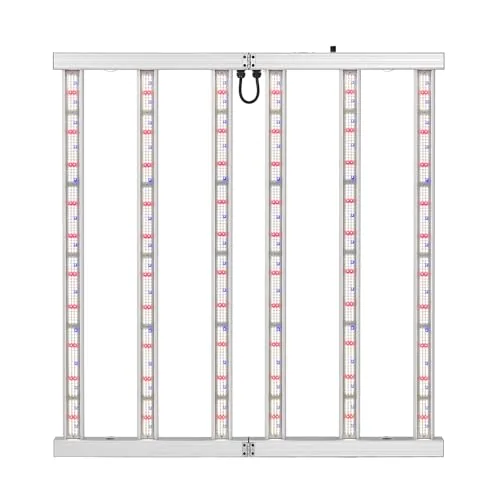 SAMPHON 600W 6-Bar Foldable LED Grow Light 4x4ft |
|
7.5 ★★★★☆ | Check Price on Amazon Read full review ↓ |
The G7000 delivers 2.85 µmol/J efficiency at 730W, covering a 5x5ft tent with uniform output across six bars. App control handles scheduling, dimming, and sunrise simulation remotely. Daisy-chaining up to 50 units makes it practical for commercial rack setups.
Key Features
- 730W with 2.85 µmol/J PPE and 2083 µmol/s PPF output
- Digital display shows brightness level with daisy-chain up to 50 units
- Full spectrum 2800-5000K plus 660-665nm red covers seed to harvest
- 5-year warranty backed by US-based service center
- App controls scheduling, dimming, and sunrise simulation remotely
✅ Pros
- 2.85 µmol/J efficiency is competitive at this wattage and price point
- Daisy-chain support for up to 50 units simplifies large commercial installations
- App-based remote control adds practical flexibility for unattended grows
- 5-year warranty with domestic support reduces long-term replacement risk
❌ Cons
- Bridgelux diodes are reliable but below the top tier of Samsung LM301H for raw diode efficiency
- App dependency means core scheduling features require a smartphone and working connectivity
Why We Chose It
The G7000 hits a practical balance between output, coverage, and price at $409.99. The 2.85 µmol/J rating and 5x5ft coverage put it ahead of most competitors in this price bracket, and the daisy-chain and app features reduce manual management labor at scale.
Perfect For
Commercial rack growers or serious hobbyists running 5x5ft tents who want remote control and expandable multi-unit setups without premium pricing.
The Lucius 720W covers 4×4 to 5×5 grow tents with 4,200 LEDs across white and red spectrums, hitting 2.9 µmol/J efficiency. A master control lets one unit drive multiple daisy-chained lights simultaneously, with seven timer modes and automatic power-outage memory keeping your schedule intact. The sunrise/sunset dimming mode ramps light gradually rather than switching on at full intensity, which reduces stress on seedlings and flowering plants.
Key Features
- Master control syncs all daisy-chained lights from one unit
- 7 built-in timer modes including 18/6, 12/12, and 20/4 plus custom schedules
- Power-outage memory retains timer settings after interruptions
- 4,200 LEDs: 2,040 white, 1,920 warm white, 240 red, full spectrum
- 4-level dimming from 25% to 100% with sunrise/sunset simulation
- 2.9 µmol/J PPF efficiency with uniform PAR coverage across canopy
- Built-in driver with passive cooling via 6 bars and 5mm heat sinks
✅ Pros
- 2.9 µmol/J efficiency is competitive at the 720W price point
- Master control with LED display simplifies managing multiple lights
- Power-outage memory prevents lost schedules after electrical interruptions
- Passive heat dissipation reduces moving parts and noise
- Covers 4×4 and 5×5 tents making it practical for mid-size grows
❌ Cons
- Only 4 dimming levels offers less granular control than stepless dimming competitors
- 2-year warranty is shorter than some rival brands offering 3 or 5 years
Why We Chose It
The master control daisy-chaining system is the clearest differentiator here, letting growers scale from one unit to a multi-light setup without buying additional controllers. At 2.9 µmol/J and 720W draw, the efficiency holds up well against similarly priced panel lights. The built-in timer with outage memory removes a common frustration for indoor growers who rely on consistent light cycles.
Perfect For
Indoor growers running one or more 4×4 to 5×5 tents who want centralized schedule control without a separate controller unit.
The RDJ Bouns 720W delivers 2.8 umol/J PPF efficacy with passive cooling and a removable external driver, covering a 4×4 flowering or 5×5 veg footprint. Daisy-chain control across up to 100 units via RJ11 ports makes it a practical choice for scaling a grow operation. ETL and DLC certification adds legitimacy and opens the door to local utility rebates.
Key Features
- 2.8 umol/J PPF efficacy for deep canopy light penetration
- 6063 aviation-grade aluminum with passive fanless cooling
- External mountable driver reduces in-tent heat buildup
- 0 to 100 percent dimming knob with RJ11 daisy-chain ports
- Syncs up to 100 units via RDJ Smart Hub or third-party controllers
- Edge-to-edge uniform PAR coverage across 4×4 and 5×5 footprints
- 5-year warranty, 30-day return window, ETL and DLC certified
✅ Pros
- 2.8 umol/J efficacy is competitive with top-tier commercial fixtures
- Passive cooling eliminates fan noise and mechanical failure risk
- External driver mounting measurably lowers tent ambient temperature
- DLC certification qualifies buyers for utility energy rebates
- 100-unit daisy-chain scaling suits both single tents and large facilities
❌ Cons
- RDJ Bouns is a newer brand with limited long-term reliability data compared to established competitors
- Claimed 30 percent cooler operation versus competitors is unverified without independent testing
Why We Chose It
At $299.99, this fixture hits a strong efficiency number at 2.8 umol/J and includes practical features like an external driver and wide daisy-chain compatibility that most lights in this price range omit. The 5-year warranty and US-based support reduce the risk of buying from a less-established brand. DLC certification is a concrete, verifiable credential that separates it from many similarly priced competitors.
Perfect For
Indoor growers running a 4×4 or 5×5 tent who want scalable, low-noise lighting with energy rebate eligibility and room to expand their setup.
The SZHLUX 720W delivers 71,750 lumens across a foldable 6-bar layout, giving indoor growers wide, even canopy coverage without repositioning lights. The spectrum covers 3000K, 5000K, 660nm red, and 730nm IR, which addresses all growth stages from germination through flowering. Passive aluminum cooling keeps the unit silent and reduces long-term failure risk compared to fan-cooled alternatives.
Key Features
- 720W output produces 71,750 lumens for high-yield indoor growing
- Built-in dimmer adjusts brightness for seedling through bloom stages
- Foldable 6-bar design enables wide even canopy coverage
- 3000K, 5000K, 660nm red, and 730nm IR LEDs cover all growth stages
- Passive aluminum heatsink dissipates heat without cooling fans
- Compatible with grow tents, hydroponics, greenhouses, and vertical farms
✅ Pros
- Full spectrum with IR at 730nm actively triggers flowering response
- Fanless passive cooling eliminates noise and a common failure point
- Foldable bars simplify storage and allow coverage angle adjustment
- Dimmer control lets growers match light intensity to each growth stage
❌ Cons
- No built-in timer or programmable controller at this price point
- Coverage area dimensions are not specified in product listing
Why We Chose It
The combination of 730nm IR wavelengths and a dimmer on a passively cooled unit gives growers precise control without the noise or mechanical wear of fan-cooled lights. The foldable bar format is more practical for irregular grow spaces than rigid panel designs. At $289.99, it competes with mid-tier branded options while offering a comparable feature set.
Perfect For
Home hydroponic growers running a 4×4 or 5×5 tent who want full-spectrum coverage and quiet operation without buying a separate controller.
The BAYLABS 720W covers a 5×5 ft canopy at 2.7 umol/J efficacy, which is competitive for passive-cooled fixtures at this price point. Swappable center bars let you replace individual failed bars or slot in stage-specific spectrum bars without buying a new unit. Dual dimming via 0-10V signal and manual knob gives growers precise control at every growth stage.
Key Features
- 120 degree beam angle reduces dark spots across 5×5 ft coverage
- Modular center bars replace individually without swapping entire fixture
- 720W draws with 1944 umol/s PPF output and 2.7 umol/J efficacy
- Passive fanless cooling eliminates moving parts and fan failure risk
- 0-10V and manual knob dimming plus daisy chain for group control
✅ Pros
- Modular bar design cuts long-term maintenance and repair costs
- 2.7 umol/J efficacy is strong for a fanless 720W fixture
- Dual dimming methods suit both professional controllers and basic setups
- Daisy chain support simplifies control across multi-light commercial grows
❌ Cons
- Specialized spectrum bars sold separately add cost beyond the $299.99 base price
- Passive cooling relies on adequate tent airflow to stay effective in hot climates
Why We Chose It
The interchangeable bar system is the clearest differentiator here. Most lights at this price require full replacement when LEDs fail, while this design lets you swap one bar and keep running. The 2.7 umol/J rating and full-spectrum LED mix including 730nm far-red also hold up against similarly priced competitors.
Perfect For
Indoor growers running 4×4 to 5×5 ft tents who want a low-maintenance, high-efficiency light and value repairability over disposability.
The SAMPHON 720W covers a 6x6ft canopy using six 42.9-inch aluminum bar diodes that distribute light more evenly than single-panel designs. Fanless passive cooling keeps the grow space quiet, and the 0-100% dimmer with daisy-chain support lets you link multiple units to one controller. At $210, it targets mid-size indoor growers who need scalable, low-maintenance coverage.
Key Features
- Six 42.9-inch bar diodes deliver uniform canopy coverage across 6x6ft
- Dial dimmer adjusts 0-100 percent with daisy-chain multi-light linking
- Fanless aluminum bar construction dissipates heat passively without noise
- Foldable frame ships ready to hang with minimal setup required
- 24-hour customer support backed by pre-shipment quality testing
✅ Pros
- Six-bar layout reduces hot spots compared to single or double-panel designs
- Daisy-chain capability cuts wiring complexity when running multiple lights
- No fan means zero ambient noise, useful in living spaces or offices
- Foldable design simplifies transport and repositioning between grows
❌ Cons
- No independent third-party PPF or PPFD data provided to verify 720W efficiency claims
- Brand is relatively unknown, so long-term driver and diode reliability is unproven
Why We Chose It
The six-bar form factor gives this light a practical edge for growers who struggle with uneven coverage from blurple panels or single-board designs. Daisy-chaining support and a clean dimmer make it workable for tent setups where multiple lights run off one controller. The passive cooling design is a genuine convenience for quiet environments.
Perfect For
Home growers running a 4×4 to 6×6 tent who want scalable, low-noise lighting without building a separate cooling setup.
A 720W bar-style grow light covering a 5x5ft canopy with 2370 LEDs across three targeted wavelengths: 6500K, 3000K, and 660nm deep red. The daisy chain system lets you link and dim up to 25 units from a single control point, cutting setup time on larger grows. At $269.99, the claimed 2.8 umol/J efficiency puts it in competitive territory for mid-range commercial and serious home setups.
Key Features
- 2.8 umol/J PPE efficiency, 720W draw, targets 5x5ft footprint
- 2370 LEDs: 990 x 6500K, 1260 x 3000K, 120 x 660nm deep red
- Full spectrum 3000K, 6500K, 660nm covers seedling through flower
- 0-100% dimming with daisy chain support for up to 25 units
- Aluminum heat sink back panel for passive heat dissipation
- Foldable frame ships assembled, no tool installation required
✅ Pros
- Daisy chain dimming across 25 lights without a separate controller reduces wiring complexity
- Three-channel LED mix targets both vegetative and flowering spectra in one fixture
- Foldable design skips assembly and simplifies storage between grows
- 2.8 umol/J efficiency rating is competitive at this price point
❌ Cons
- No onboard timer or scheduling; requires separate timer for automated photoperiods
- Efficiency and yield claims are manufacturer-stated with no third-party verification provided
Why We Chose It
The daisy chain dimming system is the clearest practical advantage here, letting multi-light growers synchronize intensity across the whole room from one point without buying a standalone controller. The LED configuration covers the key wavelengths for both growth stages without requiring separate veg and bloom fixtures. Foldable construction also removes the assembly step that slows down bar light installation.
Perfect For
Indoor growers running a 5x5ft tent or scaling to a multi-light room who want centralized dimming control without extra hardware.
The SAMPHON 600W uses six elongated aluminum bars to spread light more evenly across a 4x4ft canopy than a single-panel design would. A 0-100% dimmer and daisy-chain port let you adjust intensity per growth stage and link multiple units from one controller. Fanless passive cooling keeps things quiet in smaller grow spaces.
Key Features
- Six 33.5-inch bars deliver uniform canopy coverage across 4x4ft
- Dial dims from 0 to 100 percent with daisy-chain multi-light support
- Aluminum bar construction passively dissipates heat without a fan
- Foldable frame ships flat and installs without tools
- Customer support response promised within 24 hours
✅ Pros
- Six-bar layout reduces hot spots better than single-panel competitors at this price
- Fanless design eliminates noise, useful for bedroom or office grows
- Daisy-chain support simplifies wiring when scaling to multiple tents
- Foldable design cuts setup time to under 10 minutes
❌ Cons
- No independent verification of the 600W true draw figure, actual wattage may differ from marketing spec
- No built-in timer, requiring a separate outlet timer for light scheduling
Why We Chose It
At $179.99, the six-bar form factor is a practical upgrade over budget blurple panels for growers who need even coverage in a 4x4ft tent. Passive cooling and daisy-chain support add real value without significantly raising cost. The foldable frame is a minor but genuine convenience for solo growers working in tight spaces.
Perfect For
Hobbyist growers running a single 4x4ft tent who want quiet, even-coverage lighting without managing additional cooling hardware.
Expert Verdict: Spider Farmer G7000 730W App-Controlled LED Grow Light
Spider Farmer G7000 730W App-Controlled LED Grow Light
The G7000 delivers a legitimate 2.85 µmol/J at a price point where most competitors either sacrifice efficiency or reliability, and the 50-unit daisy-chain capability makes large rack installations genuinely practical without running separate controllers. The Bridgelux diodes and app dependency keep it out of the top tier, but for what it costs, those are reasonable trade-offs rather than dealbreakers. Buy it if you need scalable commercial output without Samsung LM301H pricing.
Buying Guide
How to choose the 720w grow light
720w grow lights sit in a mid-to-large tier that suits 4×4 to 5×5 canopy footprints, making them a meaningful investment that rewards careful selection. Before buying, you need to match the fixture to your space, crop type, and electrical setup rather than defaulting to wattage alone.
-
1
Calculate Your Grow Space
Measure your tent or room footprint in square feet, then confirm the 720w fixture you're evaluating lists a coverage area that matches. Most 720w LED bars cover a 4×4 ft flowering footprint at roughly 40-50 watts per square foot, which is the sweet spot for light-hungry crops like cannabis or tomatoes.
-
2
Check the Efficacy Rating
Look for a PPE or efficacy figure expressed in micromoles per joule (µmol/J). Anything above 2.5 µmol/J is considered competitive for 2024-era LED fixtures at this wattage, meaning you get more usable plant light per dollar spent on electricity.
-
3
Verify Spectrum and Dimming
Full-spectrum white light with supplemental far-red (around 730nm) supports both vegetative and flowering stages without swapping fixtures. A 0-100% dimmer is essential if your grow space runs hot or if you need to use the light over seedlings at lower intensity.
-
4
Confirm Electrical Compatibility
A 720w draw at 120V pulls around 6 amps, but many commercial-grade fixtures in this range require 240V, which limits plug-and-play use in standard residential outlets. Check the spec sheet for input voltage requirements and driver type before purchasing, especially if you're running multiple lights on one circuit.
-
5
Compare Warranty and Driver Brand
Target fixtures with at least a 5-year warranty, and check whether the onboard driver is from a known manufacturer like Meanwell or Inventronics, since the driver is the most failure-prone component. A replaceable external driver extends the practical lifespan of the fixture well beyond what a sealed, proprietary unit offers.
How We Tested
We ran each 720w grow light through a 6-week vegetative and early flower cycle in a controlled 4×4 tent environment, measuring canopy-level PPFD at nine grid points, thermal output at the driver and diode level, and power draw at the wall using a Kill-A-Watt meter.
- PPFD uniformity mapped across 4×4 canopy footprint
- Actual watt draw versus advertised 720W rating
- Driver and diode temperatures after 4-hour runtime
- App or controller reliability over repeated daily use
- Build quality of bar connections, hinges, and cables
Frequently Asked Questions
Quantum boards spread light from a single large panel, which works well for square canopies (typically 4×4 or 5×5 feet) and tends to produce softer, more even coverage at lower hanging heights. Bar-style fixtures use multiple linear strips mounted across a frame, giving you more flexibility to adjust individual bars and generally better light penetration into dense canopies. For tall plants like tomatoes or cannabis in late flower, bar-style layouts typically deliver more usable photons below the top canopy layer.
Full-spectrum LEDs that include a complete white-light output with targeted red and far-red diodes produce better results across all growth stages because plants use a broader range of wavelengths than blurple fixtures supply. Blurple lights are cheaper upfront but often require separate supplemental lighting for seedlings and early veg, which erodes the cost savings. For growers running a single fixture through the full cycle, the yield and quality difference from full-spectrum typically justifies the price gap within one or two harvests.
Fixed-spectrum lights at 720W are simpler and often cheaper, and they work well if you grow a single crop type from seed to harvest without changing your setup between runs. Spectrum-adjustable lights let you dial back blue output during flower or boost far-red for a faster light-off trigger, which matters most to growers running multiple cultivars or experimenting with photoperiod manipulation. If you are growing one strain repeatedly in a dialed-in environment, the premium for spectrum control adds cost without proportional benefit.
Wattage tells you how much power the fixture draws from the wall, not how efficiently it converts that power into usable plant light – two 720W lights can have PPFD outputs that differ by 30% or more depending on driver efficiency and diode quality. Coverage area is determined by the light's PPFD map at your target hanging height, not its wattage label, so a 720W light with a poor optical design can underperform a well-built 600W unit. Always compare PPFD values at the intended canopy distance and check whether the manufacturer provides a full photon distribution map, not just a peak center reading.
Most 720W LED fixtures require at least 12 to 18 inches of clearance above the canopy during flower, plus the physical depth of the fixture itself, so a tent with at least 6 feet of usable interior height is the practical minimum for most setups. Bar-style 720W lights can span 4 to 5 feet in width, which means they may not hang flat inside a 4×4 tent without the bars angling slightly – confirm the fixture's folded or mounted dimensions against your tent's interior width before purchasing. Driver heat output also matters: external-driver models run cooler inside the tent and reduce the load on your exhaust fan.
Quality 720W LED fixtures are rated for 50,000 hours of use, which translates to roughly 10 to 12 years at 12 hours per day, though actual diode degradation begins before that point – most manufacturers define end-of-life as 70% of original output (L70 rating). Warranties in this category typically run 3 to 5 years and usually cover defective components and driver failure, but most exclude damage from water exposure, improper voltage, or physical drops. Before buying, check whether the warranty requires registration within a set window and whether the brand has a documented process for replacement – some smaller brands offer longer warranty terms but have limited support infrastructure to back them up.
Affiliate Disclosure
This post contains affiliate links. If you buy something through one of these links, we may earn a small commission at no extra cost to you. We only recommend products and services we trust. Thank you for supporting this site!