Emergency light bar ratings exist because not every warning situation carries the same risk. The SAE (Society of Automotive Engineers) established the Class I, II, and III system specifically to match light output intensity to the seriousness of the hazard being warned against. Getting the class wrong means either underperforming in a genuine emergency or running hardware that exceeds what your jurisdiction permits for your vehicle type.
What the SAE Class System Actually Measures
SAE J845 is the standard that defines emergency and warning light performance for vehicles. The classification system within that standard measures two things: effective intensity (measured in candela) and the flash pattern’s ability to attract attention across a range of ambient conditions. Class I sits at the top of the intensity scale, Class II in the middle, and Class III at the bottom. Each class has minimum candela thresholds that a light bar must meet at specified horizontal and vertical angles to qualify. Manufacturers submit their products for testing by an accredited lab, and the resulting certification tells you the light bar meets those thresholds under controlled conditions. It does not guarantee that every unit off the production line performs identically, but it establishes a floor. The ratings also account for flash rate. SAE J845 specifies that warning lights must flash between 60 and 120 times per minute to be effective without causing habituation. A light bar can produce high raw output but still fail certification if the flash pattern falls outside that window. When you see a Class I, II, or III label on a product page, that designation reflects both the candela measurement and the flash rate compliance, not just peak brightness.
Class I: Full Emergency Use
Class I is the highest rating and is required for vehicles that respond to life-safety emergencies: police cruisers, fire apparatus, ambulances, and in many states, incident management vehicles operating on active highway lanes. The minimum effective intensity for Class I certification runs significantly higher than the other two classes, and the light must maintain that output across a wide horizontal spread, typically 360 degrees for a full light bar. Because Class I bars draw more power and generate more heat, they are built with more solid thermal management than lower-rated units. The practical implication for buyers is that Class I equipment is not universally legal on all vehicle types. Many states restrict Class I use to authorized emergency responders and prohibit it on volunteer or personal vehicles without specific permits. Running a Class I bar on a vehicle that is not legally authorized for it can result in fines, equipment confiscation, or liability issues if the light is operating during an incident. The emergency light bar buying guide covers the authorization differences between vehicle categories in more detail. Before purchasing Class I hardware, verify your state’s statutes on authorized use, because the rules vary considerably by jurisdiction.
Class II: Maintenance and Service Vehicle Use
Class II covers what most people think of as the middle ground: construction equipment, utility trucks, tow trucks, road maintenance vehicles, and similar service vehicles that need to warn traffic without claiming the full right-of-way authority of emergency responders. The effective intensity requirement is lower than Class I but still high enough to be visible in daylight at distances that give approaching drivers reaction time. This is the most common rating for commercial and municipal maintenance fleets. One important distinction: Class II does not grant the same legal authority as Class I. A Class II-equipped tow truck alerts drivers to a hazard ahead, but the operator cannot direct traffic or legally expect other vehicles to yield in the same way a police or fire vehicle can. Some jurisdictions also specify color restrictions at this class level. Amber is almost universally permitted for Class II, while red and blue combinations are typically restricted to Class I emergency use. If you are outfitting a snow plow, the same intensity and color rules apply (the snow plow lighting options reviewed on this site illustrate how those requirements translate into actual product choices). Checking local regulations before specifying color combination is worth doing before purchase, not after.
Class III: Slow-Moving and Low-Hazard Situations
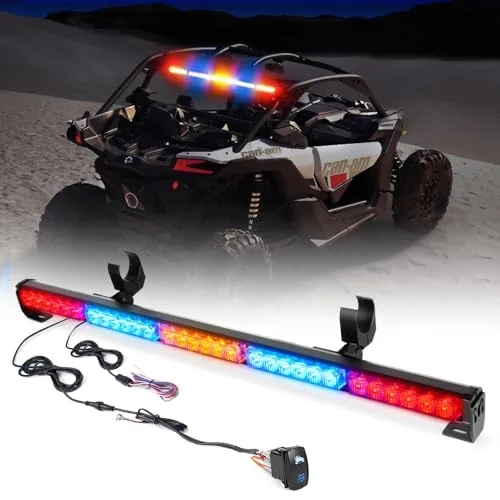
Class III covers the lowest effective intensity tier and applies to slow-moving vehicles operating in environments where traffic speeds are already reduced: forklifts, golf carts, airport ground vehicles, and similar equipment that moves in contained or controlled spaces. The candela requirements are lower because these vehicles typically operate at speeds under 25 mph and in areas where onlookers are closer and already aware of vehicle activity. Class III equipment is not suitable for highway or roadway use. Putting a Class III bar on a vehicle that operates at highway speeds gives you a legally compliant product that is functionally inadequate for the job. Drivers approaching at 65 mph need significantly more effective intensity to detect and react than the Class III minimums provide. The rating was not designed with that scenario in mind. For personal vehicles like off-road builds or UTVs that occasionally run chase or trail-marking lights, Class III hardware is often the only legally available option on public land, and it generally matches what those applications actually need. Matching the class to the operating environment, rather than buying the highest rating available, is the more practical approach. Overkill in ratings does not improve safety if the legal authorization for that class is absent.
The Class I, II, III system gives buyers a clear framework once you understand what each tier is measuring. Class I belongs on authorized emergency response vehicles operating in full traffic. Class II covers service and maintenance fleets that need daytime-visible warning output. Class III is for contained, slow-speed environments. The right choice is the one that matches both your vehicle’s legal authorization and the actual operating conditions you are working in. Purchasing based on the highest available rating, without confirming legal authorization, creates compliance problems that negate whatever visibility advantage the extra output provides.
Affiliate Disclosure
This post contains affiliate links. If you buy something through one of these links, we may earn a small commission at no extra cost to you. We only recommend products and services we trust. Thank you for supporting this site!